Consistent AI Characters.
Cast Your Talent Once.
Casting Room is a consistent AI character generator. Build AI avatars once, from a description or from photos you have permission to use, and keep a highly consistent face across scenes, outfits and videos (we aim for 85–90%; results vary by model and scene). Your talent travels to AI Studio, VFX Studio and Director Room.
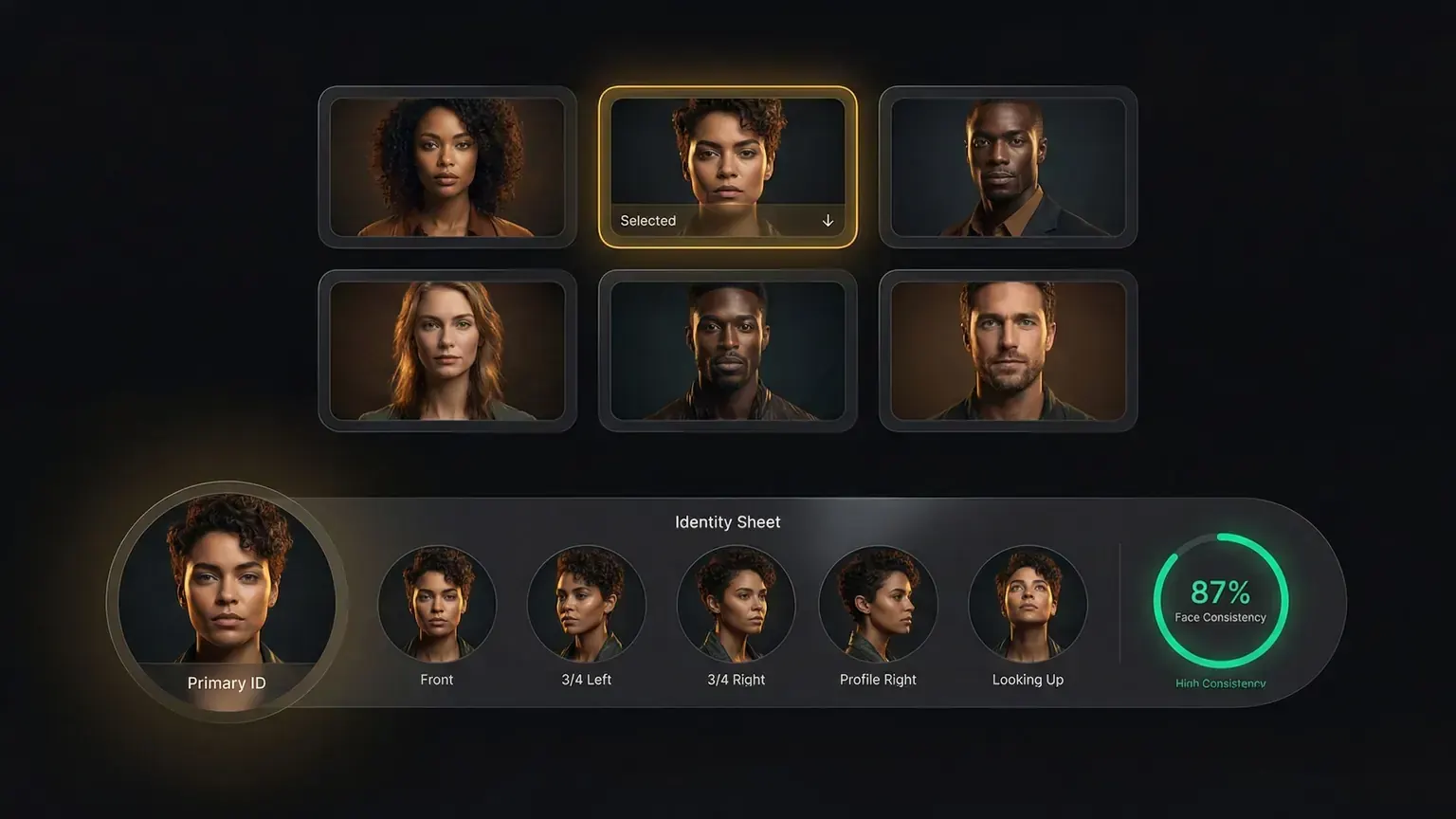
Build Once. Use Everywhere.
Create AI talent from photos or a text description. Get a multi-angle identity sheet and a DNA profile — then cast your talent in any image, video or ad.
- Upload up to 4 photos of yourself or someone who has agreed — or describe your talent in words
- 8 styles — photorealistic, 3D, animated, anime, watercolor and more
- Private talent for your brand, or public for the community
- Favorites and search across your roster
- Use your talent in AI Studio, Director Room — or from Claude
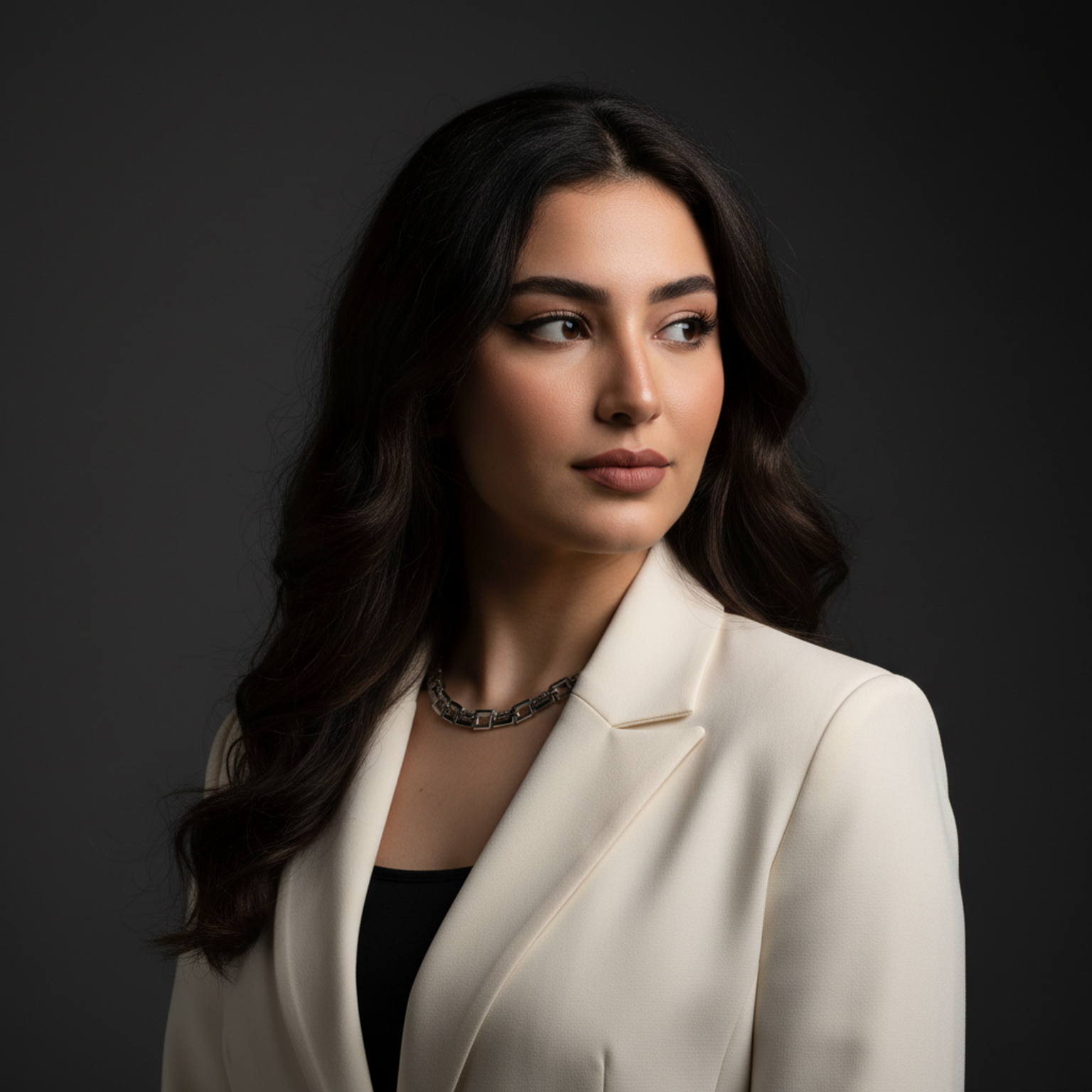





Same Face. Every Angle.
Each talent gets a multi-angle identity sheet — full body and face, front, three-quarter, profile and back — plus a DNA profile of age, features and style. That sheet is what keeps the face consistent — we aim for 85–90%, and results vary by model and scene.
- Hero portrait + multi-angle identity sheet
- DNA profile: age range, hair, features, build
- Wardrobe changes without losing the face
- Generate several sheet options and pick your favorite
- Zoom into every panel before you finalize
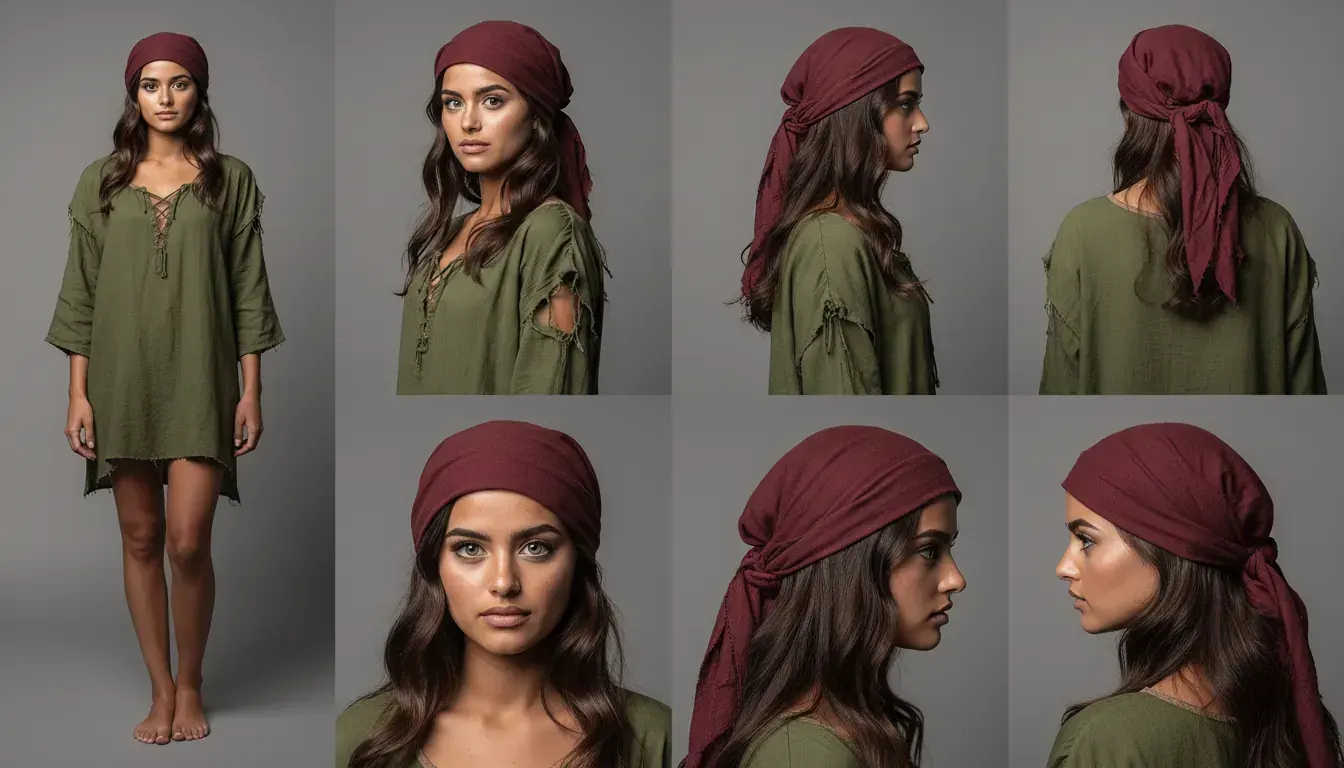
85–90% Face Consistency We Aim For.
The identity sheet travels with your talent. It is attached as a reference to every image, and talent video shots run on models built to keep the face and the scene together. Results vary by model and scene.
- Identity sheet — the reference for every generation
- Talent-aware image generation in AI Studio
- Identity-preserving models for talent video
- Reference chaining shot to shot in Director Room
- Works across images, videos, effects and ads
DNA profile + multi-angle identity sheet
The identity sheet is a reference in every image
Talent shots use video models built to keep the face
Everything for consistent AI characters
Every feature designed to save you time and produce professional results.
Photo or Text Creation
Upload photos of yourself or someone who has agreed, or describe your talent in words. Both paths produce a full identity sheet.
Identity Sheets
A multi-angle sheet and DNA profile that help keep the same face across your outputs.
Community Library
Browse reviewed public talent from other creators and add it to your workspace.
Private Talent
Keep your brand talent private to your workspace and team.
Wardrobe Changes
Swap outfits and styling without regenerating the identity. Same face, different look.
Pick Your Favorite
Generate several portrait and sheet options, then choose the one to keep.
Any Look, 8 Styles
Any age, ethnicity and style — photorealistic, 3D, animated, anime, illustration and more.
Director Room Ready
Your talent flows straight into Director Room and VFX Studio. No re-uploading.
Works Inside Claude
List, create and use your AI talent from a chat in Claude.
Related
Learn More
Faceless YouTube With AI in 2026: What Still Gets Monetized
Faceless YouTube channels made with AI can still earn money. Here is what YouTube's rules allow, what they ban, and how to build a channel that qualifies.
How to Make AI UGC Ads With a Consistent AI Avatar
AI UGC ads in 6 steps: cast one AI avatar, script short hooks, make many variations with the same face, label them honestly, and test which one sells.
Kling 4.0 Guide: What's New and How to Prompt It
Kling 4.0 makes 3 to 30 second clips with up to 10 keyframes and 15 references. What changed from Kling 3.0, who can use it today, and how to prompt it.
Consistent AI Characters: How to Keep the Same Face
Consistent AI characters, explained: why AI faces drift between images, and three techniques that keep the same face across scenes, outfits and video.
Ready to create?
Start free. No credit card required. Upgrade when you need more power.